
program
Program Highlights
• Lectures and scientific abstracts on pathology, genetics, tumor microenvironment, therapeutics, clinical studies, quality of life and leading-edge research in cutaneous lymphomas
• Practice-changing workshops
• Debates and discussions on key controversies
• Interactive question and answer sessions
• Poster sessions
• Career and networking opportunities – discussions on research mentorship, industry relations and patient engagement
Credit © Helena Chu
6th World Congress of Cutaneous Lymphomas
Program Learning Objectives
At the conclusion of this congress, participants will be able to:
- Apply current diagnostic criteria and clinicopathologic correlations to accurately distinguish among major subtypes of cutaneous lymphomas, including mycosis fungoides, Sézary syndrome, and rarer primary cutaneous lymphoproliferative disorders.
- Integrate histopathologic, immunophenotypic, and molecular findings into staging and risk stratification of patients with cutaneous lymphomas to support evidence-based clinical decision-making.
- Select appropriate skin-directed and systemic treatment strategies for patients with cutaneous lymphoma based on disease subtype, stage, symptom burden, and prior treatment response.
- Evaluate emerging and novel therapies (including targeted agents, immunotherapies, and combination approaches) and determine how recent clinical trial data can be incorporated into real-world practice.
- Differentiate management approaches for early-stage versus advanced-stage disease, including indications for escalation of therapy and referral for specialized or multidisciplinary care.
- Recognize and manage treatment-related toxicities and quality-of-life issues, including pruritus, infections, and long-term therapy complications, to optimize patient outcomes.
- Apply standardized response assessment tools and follow-up strategies to monitor disease progression, treatment effectiveness, and relapse in patients with cutaneous lymphoma.
- Identify special clinical scenarios—such as pediatric disease, erythrodermic presentations, refractory disease, and comorbid conditions—and adapt management strategies accordingly.
- Incorporate multidisciplinary perspectives (dermatology, hematology/oncology, pathology, radiation oncology, and allied health) to improve diagnostic accuracy and coordinated care.
6th World Congress of Cutaneous Lymphomas
Invited Keynote Speakers
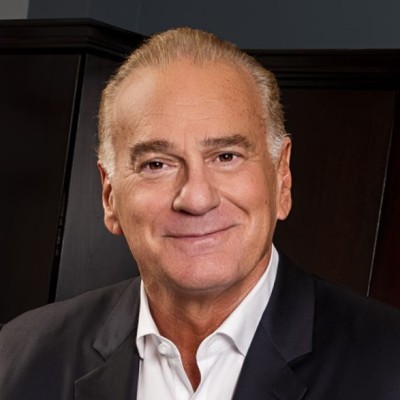
Thomas S. Kupper, MD
Chair Emeritus, Department of Dermatology, Brigham and Women’s Hospital
Chair, Department of Dermatology, Dana-Farber Cancer Institute
Thomas B. Fitzpatrick Professor, Harvard Medical School
Keynote Presentation: 40 Years of Research on Skin Immunity
Dr. Kupper was the founding Chair of the Department of Dermatology at Brigham and Women’s Hospital, where he led the department for more than 25 years. He is chair at the Dana Farber Cancer Institute, and the Thomas B Fitzpatrick Professor of Dermatology at Harvard Medical School. He is the founder of the Cutaneous Oncology Disease Center and leads the Cutaneous Lymphoma Program at the Dana-Farber Cancer Center. Dr. Kupper is an internationally known expert in the treatment and care of Cutaneous Lymphomas. He is also a respected teacher and mentor, and many of his trainees have gone on to become Department Chairs, Chiefs, or academic faculty around the country and the world. Dr. Kupper’s research has been continuously funded by the National Institutes of Health for 35 years and is focused on: 1) T cell vaccine biology, 2) T cell immunobiology, including T cell subsets resident to tissue (TRM), and 3) Cancer immunobiology including immunotherapy. His current work is supported by the National Institutes for Allergy and Infectious Diseases, the National Institute for Arthritis, Musculoskeletal and Skin Diseases and the National Institute for Cancer. He has previously been funded by a MERIT award from the NIAID, the first Specialized Program in Research Excellence (SPORE) in Skin Cancer (NCI), and a Transformative Research Award from the NIH Office of the Director. He has served on multiple NIH study sections from 1991 to present. He has received numerous awards, including the SID William Montagna Award and Kligman-Frost Leadership Award, the JSID Tanioku Kihei Award, the ESDR Rene Touraine Award, the AAD Marion Sulzberger Award, and is an honorary member of the Korean, Japanese, Swiss, and Austrian Societies for Investigative Dermatology. He has been elected to the American Society for Clinical Investigation, the American Dermatologic Association, the American Association of Physicians and is a Fellow of the American Association of Arts and Sciences.
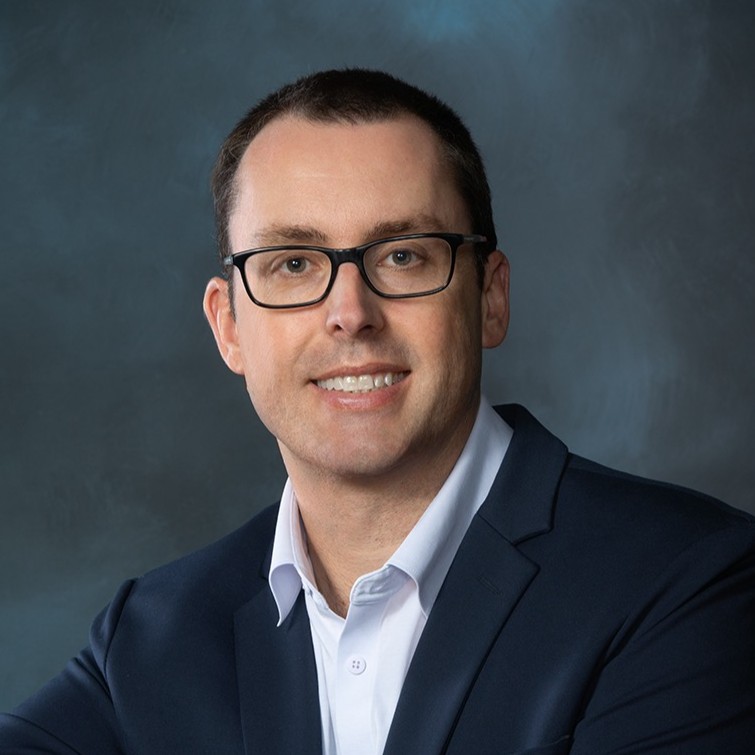
Jason Hipp, MD, PhD
CEO, JDH Consulting, Bethesda, USA
Keynote Presentation: Advances in Computational/Digital Pathology and AI in the diagnosis of Cancer and Prediction of Prognosis
Jason D. Hipp, MD, PhD, is a board-certified anatomic pathologist and physician-scientist with expertise in computational pathology, digital pathology, and artificial intelligence in diagnostic medicine. He completed his pathology residency at the National Institutes of Health and a clinical informatics fellowship at the University of Michigan. He previously founded and served as Chair of Computational Pathology and AI at Mayo Clinic and has also held leadership roles at Google/Verily and AstraZeneca. He is currently Founder and CEO of JDH Consulting, where he advises emerging companies in pathology and diagnostics and supports innovation in digital and AI-enabled technologies for the field. Dr. Hipp’s work has focused on the development and translation of machine learning, image analysis, and digital technologies in pathology, particularly in biomarker development, translational research, and clinical implementation. He is recognized for bridging pathology, informatics, and emerging technology across academic and industry settings.
Program at a glance

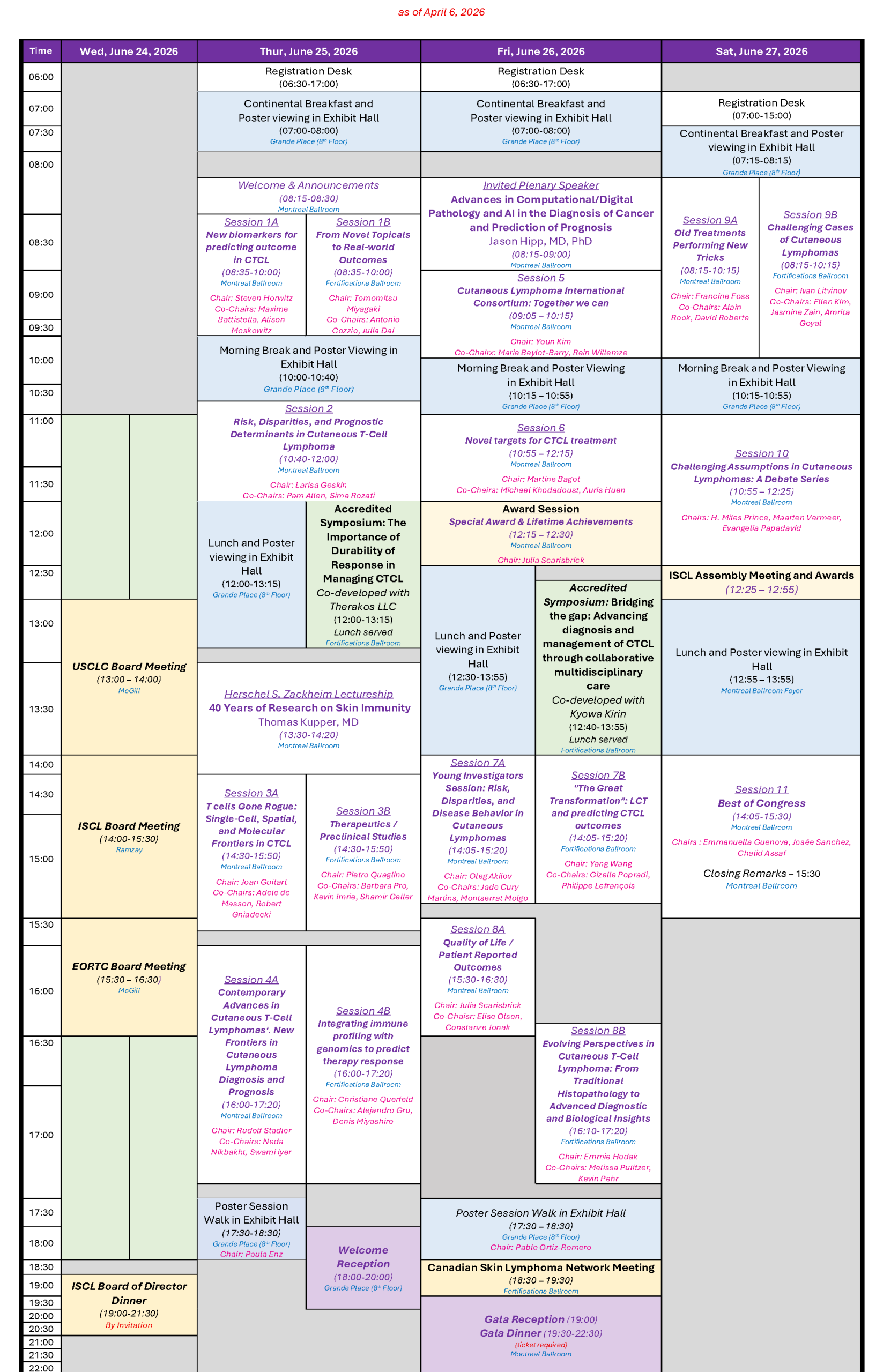
Download, complete, scan and return completed evaluations to [email protected]. Your feedback is greatly appreciated!
Detailed Program – at Apr 20, 2026
Wednesday, June 24
|
13:00–14:00 |
USCLC Board Meeting [by invitation] McGill |
|
| 14:00–15:30 | ISCL Board Meeting [by invitation] Ramzay |
|
| 15:00-18:00 | Registration opens Montreal Ballroom Foyer |
|
| 15:30–16:30 | EORTC Board Meeting [by invitation] McGill |
|
| 16:30–18:30 | ||
|
19:00–21:30 |
ISCL Board of Directors Dinner [by invitation] Offsite |
|
Thursday, June 25
| 06:30–17:00 | REGISTRATION | |
| 07:00–08:00 | CONTINENTAL BREAKFAST AND POSTER VIEWING IN EXHIBIT HALL Grande Place (8th Floor) |
|
| 08:15–08:30 | Welcome & Announcements Montreal Ballroom |
|
| 08:35 – 10:00 |
Session 1A – New biomarkers for predicting outcome in CTCL Chair: Steven Horwitz |
Session 1B – From Novel Topicals to Real-world Outcomes Chair: Tomomitsu Miyagaki |
| Session Learning Objectives: |
At the end of this session, participants will be able to: 1. Apply new biomarkers to understanding of prognosis in CTCL |
At the end of this session, participants will be able to: 1. Apply emerging clinical trial data on novel topical therapies to the management of early-stage cutaneous T-cell lymphoma. |
| 08:35 | Introduction – Steven Horwitz | Introduction – Tomomitsu Miyagaki |
| 08:40 | Evaluation of TRBC1 immunohistochemistry versus high-throughput sequencing of TCRB gene for clonality assessment in cutaneous T-cell lymphomas Andy Li, Service de Dermatologie, Hôpital Saint-Louis, APHP, France |
Interim Results for FLASH2: A Confirmatory Phase 3 Study of Topical HyBryte™ Activated by Visible Light for Cutaneous T-Cell Lymphoma Ellen J. Kim, Perelman School of Medicine at the University of Pennsylvania, USA |
| 08:50 | Unraveling the nature of T-cell clones of uncertain significance in cutaneous T-cell lymphomas Safa Najidh, Stanford University, Palo Alto, USA |
A pilot study to assess safety and efficacy of tofacitinib 2% cream in the treatment of early-stage mycosis fungoides Julia Dai, University of Texas MD Anderson Cancer Center, USA |
| 09:00 | The Genomic Landscape of Mycosis Fungoides: Therapy-Associated UV Mutagenesis and Oncogenic JUNB A282V Mutation Pan Lai, Peking University First Hospital, China |
Treatment Outcomes and Frequent Relapsers in Primary Cutaneous Indolent B-Cell Lymphomas: A 213-Patient Single-Center Cohort Study Silvia Alberti-Violetti, University of Milan, Italy |
| 09:10 | Distinct Molecular Signatures as Predictors of Early Mortality in Advanced Mycosis Fungoides Pablo L. Ortiz-Romero, Hospital Universitario 12 de Octubre, Spain |
Folliculotropism and Infection-Associated Outcomes in Cutaneous T-Cell Lymphoma Toan Bui, Johns Hopkins University, USA |
| 09:20 | Head and Neck Lesions as Sentinel Clinical Features of Dupilumab-Associated Cutaneous T Cell Lymphoma Yu Xiao, Peking University First Hospital, China |
The risk of developing second primary malignancies in patients with cutaneous lymphomas Lauren Banner, Thomas Jefferson University, USA |
| 09:30 | Dupilumab Accelerates T-Cell Lymphoma via A20-Deficient NF-kB Signaling and STAT3/5 Amplification Mingjia Li, Peking University First Hospital, China |
Real-world outcomes of primary cutaneous CD4⁺ small/medium T-cell lymphoproliferative disorder in a UK supra-regional cutaneous lymphoma centre Neenu Sebastian, University Hospitals Birmingham NHS Foundation Trust, United Kingdom |
| 09:40 | Loss of fibroblast interaction with malignant T-cell clones is associated with aggressive CTCL behavior across CD4+, CD8+ and TCR-γδ+ malignant phenotypes Abigail Fleischli, Department of Dermatology, Icahn School of Medicine at Mount Sinai, USA |
Clinical Outcomes in Primary Cutaneous Peripheral T-cell Lymphoma, Not Otherwise Specified Robert Stuver, Memorial Sloan Kettering Cancer Center, New York, USA |
| 09:50 | Q&A / Panel Discussion | Q&A / Panel Discussion |
| 10:00-10:40 | MORNING BREAK AND POSTER VIEWING IN EXHIBIT HALL Grande Place (8th Floor) |
|
| 10:40 – 12:00 |
Session 2 – Risk, Disparities, and Prognostic Determinants in Cutaneous T-Cell Lymphoma Chair: Larisa Geskin |
|
| Learning Objectives: |
At the end of this session, participants will be able to:
|
|
| 10:40 | Introduction – Larisa Geskin | |
| 10:45 | Identifying High-Risk Early-Stage Mycosis Fungoides: Prognostic Insights from the PROCLIPI Cohort Julia J. Scarisbrick, University Hospitals Birmingham NHS Foundation Trust, United Kingdom |
|
| 10:55 | Racial Differences in Prognosis in Mycosis Fungoides and Sézary Syndrome: Analysis from the BEACON (Building an Equitable and Collaborative Oncology Network)-CTCL Cohort Pamela B. Allen, Winship Cancer Institute of Emory University, USA |
|
| 11:05 | Colour Lines in Cancer? Exploring race as determinant of Cutaneous T-Cell Lymphoma outcomes, using the global PROCLIPI cohort Abraham E. Bashir, University Hospitals Birmingham NHS Foundation Trust, United Kingdom |
|
| 11:15 | Racial and Ethnic Disparities in T-Cell Receptor Beta Repertoire in Cutaneous T-Cell Lymphoma Liliana L. Crisan, City of Hope Comprehensive Cancer and Beckman Research Institute, USA |
|
| 11:25 | Bridging Racial Disparities in Mycosis Fungoides Diagnosis Through Dermoscopy Hadar K. Shimshon, Downstate University of New York Downstate Health Sciences University, USA |
|
| 11:35 | Mycosis Fungoides in the Pediatric Population in Chile: A Retrospective Study Rocío Millán, Pontificia Universidad Católica de Chile, Santiago, Chile |
|
| 11:45 | Area Deprivation and Disease Severity in Adult Patients with Cutaneous T-Cell Lymphoma Kofi Owusu-Ansah, University of Wisconsin, USA |
|
| 11:55 | Q&A / Panel Discussion | |
| 12:05–13:20 |
Accredited Symposium: The Importance of Durability of Response in Managing CTCL Faculty: Speakers: Prof. Jan Nicolay, University Medical Center Mannheim, Heidelberg University, Germany Learning Objectives:
|
LUNCH AND POSTER VIEWING IN EXHIBIT HALL Grande Place (8th Floor) |
| 13:30-14:20 |
Plenary: Herschel S. Zackeim Lectureship Chairs: Julia Scarisbrick, Steven Horwitz |
|
| Learning Objectives: |
At the end of this session, participants will be able to: 1. Identify the different variants of CTCL, including Mycosis Fungoides and Sezary |
|
| 14:30 – 15:50 |
14:30 – 15:50 Session 3A – T cells Gone Rogue: Single-Cell, Spatial, and Molecular Frontiers in CTCL Chair: Joan Guitart |
14:30 – 15:30 Session 3B – Optimizing Mogamulizumab Therapy in Cutaneous T-Cell Lymphomas: Real-World Evidence, Safety, and Long Term Outcomes Chair: Pietro Quaglino |
| Learning Objectives: |
At the end of this session, participants will be able to: 1. Describe the lesion-specific immune, stromal, and microbiomic landscapes of Mycosis Fungoides as revealed by single-cell proteomic, transcriptomic, and multi-omics approaches. |
At the end of this session, participants will be able to: 1. Evaluate real-world and on the effectiveness of mogamulizumab in patients with mycosis fungoides and Sézary syndrome, including comparative outcomes versus clinical trial evidence and standard therapies. |
| 14:30 | Introduction – Joan Guitart | Introduction – Pietro Quaglino |
| 14:35 | Single-cell proteomic and transcriptomic profiling of lesion-specific aberrant T cell states and checkpoint-dominated microenvironment of Mycosis Fungoides Eleni-Kyriaki Vetsika, Department of Basic and Clinical Sciences, Medical School, University of Nicosia, UNIC Athens, Greece |
Real-world use of Mogamulizumab: final analysis of the “FIL-MOGA” study by the Italian Lymphoma Foundation (FIL) Gabriele Roccuzzo, Department of Medical Sciences, Section of Dermbritology, University of Turin, Italy |
| 14:45 | Deep-learning based T-cell Recognition and Automated Clone Estimation in early-stage Mycosis Fungoides: a proof of concept study (TRACE-MF) Pieter A. Valkema, Leiden University Medical Center, Netherlands |
Patients with Mogamulizumab-associated rash can be safely retreated with Mogamulizumab with durable remissions: A single center experience Amy Liao, Washington University School of Medicine, USA |
| 14:55 | Single-cell profiling of advanced-stage mycosis fungoides reveals distinct immune and stromal responses in tumor versus erythrodermic lesions Patrick Brunner, Department of Dermatology, Icahn School of Medicine at Mount Sinai, USA |
“Moga-Stop” Study: extended follow-up of patients with Sézary syndrome treated with mogamulizumab after treatment discontinuation, excluding for progression Marie Beylot-Barry, CHU Bordeaux, France |
| 15:05 | Integrated Transcriptomic and Microbiomic Profiling of Keratinocytes in Erythrodermic Cutaneous T-cell Lymphoma Identifies Distinct Epidermal-microbial Patterns Katherine De Jong, Northwestern University, USA |
Overall survival in patients with mycosis fungoides or Sézary syndrome in Denmark: comparative effectiveness of mogamulizumab versus standard of care Lena Specht, Department of Clinical Medicine, Faculty of Health and Medical Sciences, University of Copenhagen, Denmark |
| 15:15 | The Role of CD84 (SLAMF5) in the Immunosuppressive Tumor Microenvironment of CTCL Laura C. Schultz, Division of Dermatology, City of Hope, USA |
Outcomes in relapsed/refractory mycosis fungoides or Sézary syndrome from the MAVORIC trial mogamulizumab arm versus a real-world Australian cohort receiving vorinostat H. Miles Prince, Peter MacCallum Cancer Centre, Australia |
| 15:25 | Lesion-specific immune and clonal reprogramming drives Chlormethine gel response and treatment-associated dermatitis in Mycosis Fungoides Evangelia Papadavid, Centre of Excellence for Rare Diseases-Cutaneous Lymphoma, ERN-EuroBloodNet, Second Department of Dermatology and Venereal Diseases, Attikon University General Hospital, National and Kapodistrian University of Athens, Greece |
15:25 – 15:30 – Q&A / Panel Discussion |
| 15:35 | Molecular analysis of irradiated cutaneous T-cell lymphoma tumors suggests markers associated with response and risk of recurrence Eleanor Ostroff, Department of Dermatology, Northwestern University Feinberg School of Medicine, USA |
15:40 – 17:20 Session 4B – Integrating immune profiling with genomics to predict therapy response Chair: Christiane Querfeld At the end of this session, participants will be able to: 1. Describe how immune profiling of blood and skin informs disease biology and treatment response in CTCL.
|
| 15:45 | Q&A / Panel Discussion | 15:40 Introduction – Christiane Querfeld |
| 16:00 – 17:20 |
Session 4A – Contemporary Advances in Cutaneous T-Cell Lymphomas’. New Frontiers in Cutaneous Lymphoma Diagnosis and Prognosis Chair: Rudolf Stadler |
15:45 – Functional Immune States of Blood and Skin Microenvironment Predict Mogamulizumab Response in Sézary Syndrome Hélène Moins-Teisserenc, IRSL-Université Paris Cité, France |
| Learning Objectives |
At the end of this session, participants will be able to: 1. Apply recent clinico-pathological and prognostic insights (e.g. lesional BSA thresholds, TFH phenotype, co-occurring lymphomas) to refine the diagnosis and risk stratification of cutaneous T-cell lymphomas in daily practice. |
15:55 – Targeted sequencing in patients with relapsed/refractory mycosis fungoides or Sézary syndrome treated with mogamulizumab in the MOGA-2MG-Q4W clinical trial Christiane Querfeld, City of Hope National Medical Center, Beckman Research Institute, USA |
| 16:00 | Introduction – Rudolf Stadler | |
| 16:05 | Presentation with confluent erythema not reaching 80% body surface area is associated with advanced stage disease and has worse outcome than classical MF in the early stages Julia J. Scarisbrick, University Hospitals Birmingham NHS Foundation Trust, United Kingdom |
Rapid and Durable Blood Remission in CTCL Using Mogamulizumab: B2 as a Surrogate Marker Yenny Angela, University Clinic of Dermatology, Venerology, Allergology und Phlebology Skincancer Center Johannes Wesling Medical Center, Ruhr University Bochum, Germany |
| 16:15 | Cutaneous flow cytometry: 10 years of experience from a single center Emmanuela Guenova, Department of Translational Immunodermatology, Kepler University Hospital, Johannes Kepler University, Austria |
Distinct genomic profiling of folliculotropic mycosis fungoides: integrated data of whole genome sequencing and single-cell spatial transcriptomics Woo Jin Lee, Department of Dermatology, Asan Medical Center, University of Ulsan College of Medicine, Korea |
| 16:25 | Reproducible Cohort Generation and Whole-Slide Learning for Cutaneous T-Cell Lymphoma and Related Lymphoproliferative Disorders Melissa Pulitzer, Memorial Sloan Kettering Cancer Center, USA |
Non-JAK-Family Gene Fusions in Cutaneous T-cell Lymphoma Highlights Genetic Diversity and Potential Therapeutic Targets Haiming Tang, Memorial Sloan Kettering Cancer Center, USA |
| 16:35 | Investigating the Genetic Landscape of Primary Cutaneous Lymphomas and Lymphoproliferative Disorders with T Follicular Helper Cell Phenotype (PCL-TFH) Ziba Rahbar, Brigham and Woman’s Hospital, Harvard Medical School, USA |
Evaluation of TRBC1-based Clonality to Quantitate Blood Involvement in Cutaneous T Cell Lymphoma Katherine De Jong, Northwestern University, USA |
| 16:45 | Co-occurring Chronic Lymphocytic Leukemia in Mycosis Fungoides/Sézary Syndrome: Retrospective Analysis Julia Dai, Department of Dermatology, The University of Texas MD Anderson Cancer Center, USA |
Characterization of adult T-cell leukemia/lymphoma patients with specific skin lesions in a tertiary dermatological service in Brazil Denis Miyashiro, Department of Dermatology, University of São Paulo Medical School, Brazil |
| 16:55 | Non-alpha/beta T-cell lymphoma: a single Centre experience on gamma/delta and TCR-silent subsets Giorgio Alberto Croci, University of Milan, Italy |
Baseline macrophage states determine immune reprogramming trajectories and clinical response to extracorporeal photopheresis in Sézary syndrome Oleg Akilov, University of Pittsburg School of Medicine, USA |
| 17:05 | Mycosis fungoides with a gamma-delta immunophenotype: do they differ from epidermotropic primary cutaneous gamma-delta T-cell lymphoma? Eleanor B. Ostroff, Department of Dermatology, Northwestern University Feinberg School of Medicine, USA |
Molecular-based Reconsideration of Classification of Primary Cutaneous CD30-positive Lymphoproliferative Disorders Yamato Suemitsu, Memorial Sloan Kettering Cancer Center, New York, USA |
| 17:15 | Q&A / Panel Discussion | Q&A / Panel Discussion |
| 17:30–18:30 |
POSTER SESSION WALK IN EXHIBIT HALL Primary Chair and Poster Walk Leader: Paula Enz |
|
| 18:00–20:00 | WELCOME RECEPTION Grande Place (8th Floor) |
|
Friday, June 26
| 06:30–17:00 | REGISTRATION |
| 07:00–08:00 | CONTINENTAL BREAKFAST AND POSTER VIEWING IN EXHIBIT HALL Grande Place (8th Floor) |
| 08:15-09:00 |
Plenary / Invited Speaker: Advances in Computational/Digital Pathology and AI in the Diagnosis of Cancer and Prediction of Prognosis – Jason Hipp Chairs: Steven Horwitz, Julia Scarisbrick |
| 09:05 – 10:15 |
Session 5 – Cutaneous Lymphoma International Consortium: Together we can Chair: Youn Kim |
| Learning Objectives | At the end of this session, participants will be able to: 1. Appreciate that international collaborations are feasible and productive in generating large datasets in rare lymphomas 2. Recognize meaningful prognostic factors and treatment profiles and impact in CTCL utilizing international collective data |
|
09:05 |
Introduction – Youn Kim |
|
09:10 |
Building on CLIPI: Deeper Dive into Advanced Stage Subset Youn Kim, Stanford University, USA |
|
09:30 |
Treatment patterns in early-stage Mycosis Fungoides: a 10-Year update from the PROCLIPI study Gabriele Roccuzzo, Department of Medical Sciences, Section of Dermatology, University of Turin, Italy |
|
09:40 |
Navigating Therapeutic Complexity in Advanced-Stage MF/SS: Real-World Insights from the PROCLIPI Study Abraham E. Bashir, University Hospitals Birmingham NHS Foundation Trust, United Kingdom |
|
09:50 |
Blood Tumor Burden Refines Prognostication: Validation of PROCLIPI for Advanced Cutaneous Lymphoma in a Chinese Cohort Zhuojing Chen, Peking University First Hospital, China |
|
10:00 |
How Big Is Big Enough? The Potential for Imaging-derived Quantitative Thresholds for Identifying N3 Nodal Disease in CTCL using PROCLIPI Abraham E. Bashir, University Hospitals Birmingham NHS Foundation Trust, United Kingdom |
|
10:10 |
Q&A / Panel Discussion |
|
10:15 – 10:55
|
MORNING BREAK AND POSTER VIEWING IN EXHIBIT HALL Grande Place (8th Floor) |
| 10:55 – 12:15 |
Session 6 – Novel Targets for CTCL Treatments Chair: Martine Bagot |
| Learning Objectives |
At the end of this session, participants will be able to: 1. Identify and validate novel targets for the treatment of cutaneous T cell lymphoma. |
|
10:55 |
Introduction – Martine Bagot |
|
11:00 |
Nivolumab with duvelisib leads to repeated immune-mediated toxicities in cutaneous T-cell lymphoma (CTCL): Clinical results of ETCTN Study 10347 Neha Mehta-Shah, Washington University in St. Louis, USA |
|
11:10 |
Targeting TNFR2 with BI-1808: Immune Activation and Promising Responses in Advanced T-Cell Lymphomas – Stefan Barta, University of Pennsylvania Hospital, USA |
|
11:20 |
Dupilumab Use in Atopic Dermatitis When Cutaneous Lymphoma Is Suspected: Consensus Recommendations from the EORTC Cutaneous Lymphoma Task Force Emmanuella Guenova, Department of Translational Immunodermatology, Kepler University Hospital, Johannes Kepler University, Linz, Austria, Austria |
|
11:30 |
Updated Clinical Data from the Phase 1 Study of Dibotatug (DR-01), a Non-Fucosylated Anti-CD94 Antibody in Patients with Relapsed/Refractory Cytotoxic T/NK cell Lymphomas Swaminathan Iyer, MD Anderson Cancer Center, USA |
|
11:40 |
Mycosis fungoides-exosomes mediate reprogramming of tumor-associated macrophages via a novel mechanism of CD47- SIRPα checkpoint interaction Lilach Moyal, Rabin Medical Center and Tel-Aviv University, Israel |
|
11:50 |
Preliminary results in a First-in-Human Trial of ST-001 nanoFenretinide in Previously Treated Cutaneous T-cell Lymphoma Oleg Akilov, University of Pittsburg School of Medicine, USA |
|
12:00 |
Cutaneous outcomes associated with nemolizumab use in patients with cutaneous T-cell lymphoma: a case series Krithika Nayudu, Medical College of Georgia, USA |
|
12:10 |
Q&A / Panel Discussion |
|
12:15 – 12:30 |
Welcome & Award Session Chair: Julia Scarisbrick * Special Award * Lifetime Achievement Award 1 * Lifetime Achievement Award 2 |
| 12:30–13:55 | LUNCH AND POSTER VIEWING IN EXHIBIT HALL Grande Place (8th Floor) |
| 12:40-13:55 |
Accredited Symposium: Bridging the gap: Advancing diagnosis and management of CTCL through collaborative multidisciplinary care Moderator: Dr. Ivan Litvinov, MD, PhD, McGill University, Montréal, Canada Learning Objectives: By the end of this symposium, participants will be able to:
|
| 14:05 – 15:20 |
Session 7A – Young Investigators Presentations: Risk, Disparities, and Disease Behavior in Cutaneous Lymphomas Chair: Oleg Akilov |
Session 7B – “The Great Transformation”: LCT and predicting CTCL outcomes Chair: Yang Wang |
| Learning Objectives: |
At the end of this session, participants will be able to: 1. Describe epidemiologic risks and secondary malignancy patterns in patients with cutaneous lymphomas. |
At the end of this session, participants will be a able to: 1. Describe clinical indicators of poor outcome and progression in CTCL |
|
14:05 |
Introduction – Oleg Akilov | Introduction – Yang Wang |
|
14:10 |
Risk of melanoma skin cancer among patients with mycosis fungoides and Sézary syndrome. A Swedish nationwide population-based cohort study. Karolina Wojewoda, Department Dermatology and Venereology, University of Gothenburg, Sweden |
Understanding The Molecular Triggers Of Cutaneous T-Cell Lymphoma (Mycosis Fungoides) Progression
|
|
14:20 |
Staphylococcal Hemolysins Associated with Racial Disparities and Increased Clinical Severity in Cutaneous T-Cell Lymphoma Amy S. Kaku, Emory University School of Medicine, Department of Dermatology, USA |
Large Cell Transformation in Mycosis Fungoides/Sezary Syndrome: Contemporary Outcomes, Predictors, and Disparities Signal from the U.S. BEACON-CTCL Cohort Haris Qureshi, Yale School of Medicine, USA |
|
14:30 |
Primary Cutaneous Marginal Zone Lymphoma developing extracutaneous disease: an European Organisation For Research And Treatment Cutaneous Lymphoma Tumour Group study. Lindi Korpelshoek, Department of Dermatology, Leiden University Medical Center, Netherlands |
International study of mycosis fungoides with large-cell transformation confirms poor outcome and reveals heterogeneity in presentation, treatment and prognosis Belinda A. Campbell, Peter MacCallum Cancer Centre, Australia |
|
14:40 |
Disease status at HSCT, including skin-limited disease, and survival in BPDCN: A retrospective, multicenter cohort study of the EORTC, Cutaneous Lymphoma Tumour Group Christoph Iselin, Department of Dermatology, Lausanne University Hospital and Faculty of Biology and Medicine, University of Lausanne, Switzerland |
Overall Survival in Transformed Mycosis Fungoides and Sezary Syndrome Rishabh Lohray, Baylor College of Medicine, USA |
|
14:50 |
Characteristics and outcomes of cutaneous T-cell lymphoma with gamma-delta phenotype: A single-center case series Stephanie K. Lin, Department of Dermatology, Hospital of the University of Pennsylvania, USA |
Investigating the Utility of Baseline Imaging in Early-Stage Mycosis Fungoides: A retrospective analysis Sarah M. Gonzalez, Department of Dermatology, Dartmouth-Hitchcock Medical Center, USA |
|
15:00 |
Understanding Patient Experiences and Quality of Life in Cutaneous T-Cell Lymphoma Through a Patient Education and Support Meeting Brigit A. Lapolla, Columbia University, New York, USA |
Central nervous system involvement in mycosis fungoides and Sézary syndrome: multicenter series of 24 cases from French Cutaneous Lymphoma Study Group Marie Beylot-Barry, University Hospital Bordeaux, France |
|
15:10 |
Q&A / Panel Discussion | Q&A / Panel Discussion |
| 15:30 – 16:30 |
Session 8A – More Than Skin Deep: Patient Perspectives In Cutaneous Lymphoma Chair: Julia Scarisbrick |
|
| Learning Objectives |
At the end of this session, participants will be able to: 1. Identify strategies to incorporate patient perspectives into clinical decision-making and care planning. |
|
|
15:30 |
Introduction – Julia Scarisbrick | |
|
15:35 |
Core Concepts to Assess Health-Related Quality of Life in Patients with Mycosis Fungoides and Sézary Syndrome in Clinical Trials: Results of two Electronic Delphi Rounds Jenny J. Park, Department of Dermatology, University of Washington, USA |
|
|
15:45 |
Improved symptoms and health-related quality of life in patients with mycosis fungoides and Sézary syndrome treated with mogamulizumab in the PROSPER study Julia J. Scarisbrick, Centre for Rare Diseases, University Hospital of Birmingham, United Kingdom |
|
|
15:55 |
Using Skindex-29 and targeted instruments to assess the impact of patient factors on quality-of-life and diagnosis understanding over time in cutaneous lymphomas Alyssa Wu, City of Hope, USA |
16:10 – 17:20 Session 8B – Evolving Perspectives in Cutaneous T-Cell Lymphoma: From Traditional Histopathology to Advanced Diagnostic and Biological Insights Chair: Emmilia Hodak |
|
|
Patient-Reported Quality of Life Outcomes Following Extracorporeal Photopheresis for Cutaneous T-Cell Lymphoma and Graft-Versus-Host Disease.
|
|
| 16:05 |
Learning Objectives At the end of this session, participants will be able to: 1. Understand new techniques for diagnosis of cutaneous T-cell lymphoma |
|
|
16:10 |
Introduction – Emmilia Hodak | |
|
16:15 |
Beyond Disease Control: Holistic Needs Assessment in Patients with Cutaneous Lymphoma in a Tertiary Skin Lymphoma Clinic Amirtha Rajasekaran, University Hospitals Birmingham NHS Foundation Trust, United Kingdom |
Reduced diversity in CTCL intratumoral microbiome is associated with JAK/STAT pathway alterations, non-European ancestry, and poor survival. Paola Ghione, Memorial Sloan Kettering Cancer Center, USA |
|
16:25 |
Q&A / Panel Discussion | Cytotoxic hyperactivation paired with vascular dysfunction and tissue hypoxia mediates lesion self-destruction in lymphomatoid papulosis Patrick Brunner, Department of Dermatology, Icahn School of Medicine at Mount Sinai, USA |
|
16:35 |
Multi-Harmonic Imaging-Based Automated Recognition of Cutaneous T-Cell Lymphoma
|
|
|
16:45 |
Geographic and temporal validation of a histopathology-based diagnostic prediction model for risk-stratified triage of early-stage mycosis fungoides Anne M. Schrader, Department of Pathology, Leiden University Medical Center, Netherlands |
|
|
16:55 |
Cutaneous anaplastic large cell lymphoma (ALCL): Clinical, histopathologic, molecular review of 13 cases of primary cutaneous ALCL & cutaneous involvement of systemic ALCL Emma Johnson, Mayo Clinic, Rochester, MN, USA |
|
|
17:05 |
Overlap: mycosis fungoides / Sezary syndrome and inflammatory dermatosis, a case series. Giorgio Alberto Croci, University of Milan, Italy |
|
|
17:15 |
Q&A / Panel Discussion | |
| 17:30–18:30 |
POSTER SESSION WALK IN EXHIBIT HALL Chair and Poster Walk Leader: Pablo Ortiz-Romero |
|
| 18:30–19:30 | Canadian Skin Lymphoma Network Board Meeting [by Invitation] Fortifications |
|
|
19:00-22:30
|
GALA RECEPTION AND DINNER Ticket purchase required Montreal Ballroom |
|
Saturday, June 27
| 07:00–15:00 | REGISTRATION | |
| 07:15 – 08:15 | CONTINENTAL BREAKFAST AND POSTER VIEWING IN EXHIBIT HALL Grande Place (8th Floor) |
|
| 08:15 – 10:15 |
Session 9A – Old Treatments Performing New Tricks Chair: Francine Foss |
Session 9B – Patient Case Viewing and Discussions Chair: Ivan Litvinov |
| Learning Objectives |
At the end of this session, participants will be able to: 1. To describe the efficacy and adverse effects of available therapeutics in the treatment of cutaneous lymphomas |
At the end of this session, participants will be able to:
|
| 08:15 | Introduction – Francine Foss | Introduction – Ivan Litvinov |
| 08:20 | Long-term outcomes after allogeneic stem cell transplantation for cutaneous T-cell lymphoma Samer A. Srour, The University of Texas MD Anderson Cancer Center, USA |
Clinical Spectrum and Diagnostic Challenges of Cutaneous T-Cell Lymphomas in Ghana: a Retrospective Analysis from a Tertiary Referral Center in Accra (2015–2024) Prince Agyemang, Eastern Regional Hospital, Ghana |
| 08:30 | Exploring the curative potential of allo-SCT in Cutaneous T-Cell Lymphoma Julia J. Scarisbrick, University Hospitals Birmingham NHS Foundation Trust, United Kingdom |
Ocular Mycosis Fungoides: A Single Center Case Series Rishabh Lohray, Baylor College of Medicine, USA |
| 08:40 | Interferon Alfa Lives on: Real-World Use and Safety of Pegylated Interferon Alfa-2a in Cutaneous T-Cell Lymphoma Christina Cruz, University of Pennsylvania, USA |
Recurrent bulky tumors in a post-allogeneic stem cell transplanted Mycosis Fungoides patient cleared with a single dose of pembrolizumab Lauren Spadt, University of Virginia School of Medicine, USA |
| 08:50 | Clinical Outcomes and Durability of Localized Radiation Therapy Versus Topical Steroids in Stage IA Mycosis Fungoides Sarah J. Lange, Dartmouth Geisel School of Medicine, USA |
New recalcitrant perigenital tumor in the setting of otherwise well-controlled Sezary syndrome Katherine De Jong, Northwestern University, USA |
| 09:00 | Systematic Review and Institutional Case Series of Intralesional Rituximab for the treatment of Primary Cutaneous B-cell Lymphoma Jori Hardin, University of Calgary, Division of Dermatology, Canada |
Epidermotropic cutaneous T-cell lymphoma with gamma delta immunophenotype: Four instructive cases Jacqueline Junkins-Hopkins, Geisinger Medical Center, USA |
| 09:10 | Hands and Feet Radiation Therapy for Cutaneous T-cell lymphoma Ahmadou B. El Alaoui, Memorial Sloan Kettering Cancer Center, USA |
Merkel Cell Carcinoma: A Cutaneous B-Cell Lymphoma in Disguise? Ivan V. Litvinov, St. Mary’s Hospital Centre, McGill University, Canada |
| 09:20 | The Therapeutic Potential of PDE4 Inhibitors in Mycosis Fungoides and Sézary Syndrome: A Brief In Vitro Study Teruyoshi Hisamoto, International University of Health and Welfare Hospital, Japan |
Clinical Warburg Effect in a Primary Cutaneous Lymphoma Emmanuella Guenova, Department of Translational Immunodermatology, Kepler University Hospital, Johannes Kepler University, Austria |
| 09:30 |
Management of advanced mycosis fungoides and Sézary syndrome: international consensus recommendations from EHA, EORTC-CLTG, ISCL and EBMT |
Cutaneous CD8+ Cytotoxic Gamma-Delta T-cell Lymphoma Mimicking Angioedema Eleanor B. Ostroff, Northwestern University Feinberg School of Medicine, USA |
| 09:40 |
Linking CTCL cell biology with response to mogamulizumab for therapy optimization and identification of resistance mechanisms |
Vulvar and Perianal CD8-Positive Lymphomatoid Papulosis: A Case for Interdisciplinary Management of Unknown Genital Lesions Sarah M. Gonzalez, Department of Dermatology, Dartmouth-Hitchcock Medical Center, USA |
| 09:50 |
Mapping the Spatial Immune Landscape in Sezary Syndrome: Insights into Moderate and Progressive Prognoses |
CD8+ Primary Cutaneous Peripheral T-Cell Lymphoma in a 64-Year-Old Male: A Case Report and Diagnostic Insight Karla Katrina T. Cajigal, Jose R. Reyes Memorial Medical Center Department of Dermatology, Philippines |
| 10:00 | Q&A / Panel Discussion | Q&A / Panel Discussion |
| 10:15-10:55 | MORNING BREAK AND POSTER VIEWING IN EXHIBIT HALL Grande Place (8th Floor) |
|
| 10:55 – 12:25 |
Session 10 – Challenging Assumptions in Cutaneous Lymphomas: A Debate Series Chairs: H. Miles Prince, Maarten Vermeer, Evangelia Papadavid |
|
| Learning Objectives |
At the end of this session, participants will be able to: 1. Clarify evolving diagnostic boundaries in CTCL by examining expert debates on SPTCL classification, Sézary syndrome presentations, and pediatric CTCL evaluation. |
|
| 10:55 | Introduction – TBC | |
| 11:00 | Should SPTCL be classified as a lymphoma? – Michael Girardi vs Joan Guitart | |
| 11:20 | Pediatric CTCL: Are we underdiagnosing or overdiagnosing? – Chalid Assaf | |
| 11:40 | Should we treat early MF with poor prognostic indicators differently from the onset? – Jade Cury Martins vs. Maarten Vermeer | |
| 12:00 | Sézary syndrome without erythroderma as the initial presentation of a T-cell lymphoma. Is it a Mycosis fungoides debuting with stage B2 – Emmilia Hodak, vs. Pablo Ortiz-Romero | |
| 12:20 | Final Q&A | |
| 12:25 – 12:55 | ISCL Assembly Meeting and Awards Montreal Ballroom |
|
| 12:55–13:55 | LUNCH AND POSTER VIEWING IN EXHIBIT HALL Montreal Ballroom Foyer |
|
| 14:05 – 15:30 |
Session 11 – Best of Congress Primary Chairs: Emmanuela Guenova, José A. Sanches, Jr., Chalid Assaf |
|
| Learning Objectives |
At the end of this session, participants will be able to: 1. Summarize key advances and high-impact findings presented across multiple sessions of the Congress, as identified by expert Co-Chairs. |
|
| 14:05 | Introduction – TBC | |
| 14:10-14:35 | 3 best sessions – Emmanuela Guenova | |
| 14:35-15:00 | 3 best sessions – Jose A. Sanches | |
| 15:00-15:25 | 3 best sessions – Chalid Assaf | |
| 15:25 | Q&A / Panel Discussion | |
| 15:30 | Closing Remarks | |
Accredited Symposia
Thursday, June 25 | 12:05 – 13:20
The Importance of Durability of Response in Managing CTCL
Co-developed with Therakos LLC
Durability of response is an important goal in the management of CTCL, reflecting the need for sustained disease control in a chronic, relapsing condition. In this symposium Expert Faculty will examine clinical trial data and real-world evidence evaluating durability related endpoints across systemic treatment options, with a particular focus on time to next treatment (TTNT) as a pragmatic and clinically meaningful measure of long-term benefit. It will also discuss how TTNT captures both treatment effectiveness and tolerability in routine clinical practice. The session will explore the role of TTNT in treatment sequencing, long-term management strategies, and patient-centric decision-making in advanced CTCL.
Moderator: Dr. Ivan Litvinov, Dermatology, McGill University, Montréal, Canada
Speakers:
Prof. Julia Scarisbrick, University of Birmingham, Birmingham, UK
Prof. Jan Nicolay, University Medical Center Mannheim, Heidelberg University, Germany
This symposium was co-developed by the International Society for Cutaneous Lymphomas with Therakos LLC and was planned to achieve scientific integrity, objectivity and balance.
Learning Objectives:
1. Interpret clinical trial data and real-world evidence evaluating durability-related endpoints across systemic treatment options, with a particular focus on time to next treatment (TTNT) as a pragmatic and clinically meaningful measure of long-term benefit.
- Recognize how TTNT captures both treatment effectiveness and tolerability in routine clinical practice.
3. Evaluate the role of TTNT in treatment sequencing, long-term management strategies, and patient centric decision-making in advanced CTCL.
Friday, June 26 | 12:40 – 13:55
Bridging the gap: Advancing diagnosis and management of CTCL through collaborative multidisciplinary care
Co-developed with Kyowa Kirin
This exciting panel discussion will focus on early recognition of CTCL across multiple specialties, highlight the importance of effective referral pathways, and explore the use of advanced diagnostic tools and monitoring strategies for disease progression. It will also examine collaborative, multidisciplinary care models aimed at improving patient outcomes.
Moderator: Dr. Ivan Litvinov, MD, PhD, McGill University, Montréal, Canada
Panel Members:
Dr. Alejandro Gru, MD, Columbia University Irving Medical Center, New York, USA
Dr. Steven M. Horwitz, MD, Memorial Sloan Kettering Cancer Center, New York, USA
Prof. Julia Scarisbrick, MBChB, MD, University of Birmingham, Birmingham, UK
Randy Gaw, Patient, Canada
This symposium was co-developed by the International Society for Cutaneous Lymphomas with Kyowa Kirin and was planned to achieve scientific integrity, objectivity and balance.
Learning Objectives:
- Recognize suspected CTCL by identifying diagnostic challenges and interpret the clinical and histopathological features of MF and SS using staging and diagnostic tools.
2. Outline effective referral pathways for suspected CTCL, enabling timely multidisciplinary collaboration while incorporating patient perspectives.
3. Apply multidisciplinary insights to assess disease and patient characteristics that inform CTCL management and treatment decisions.
6th World Congress of Cutaneous Lymphomas Starting:
Day(s)
:
Hour(s)
:
Minute(s)
:
Second(s)
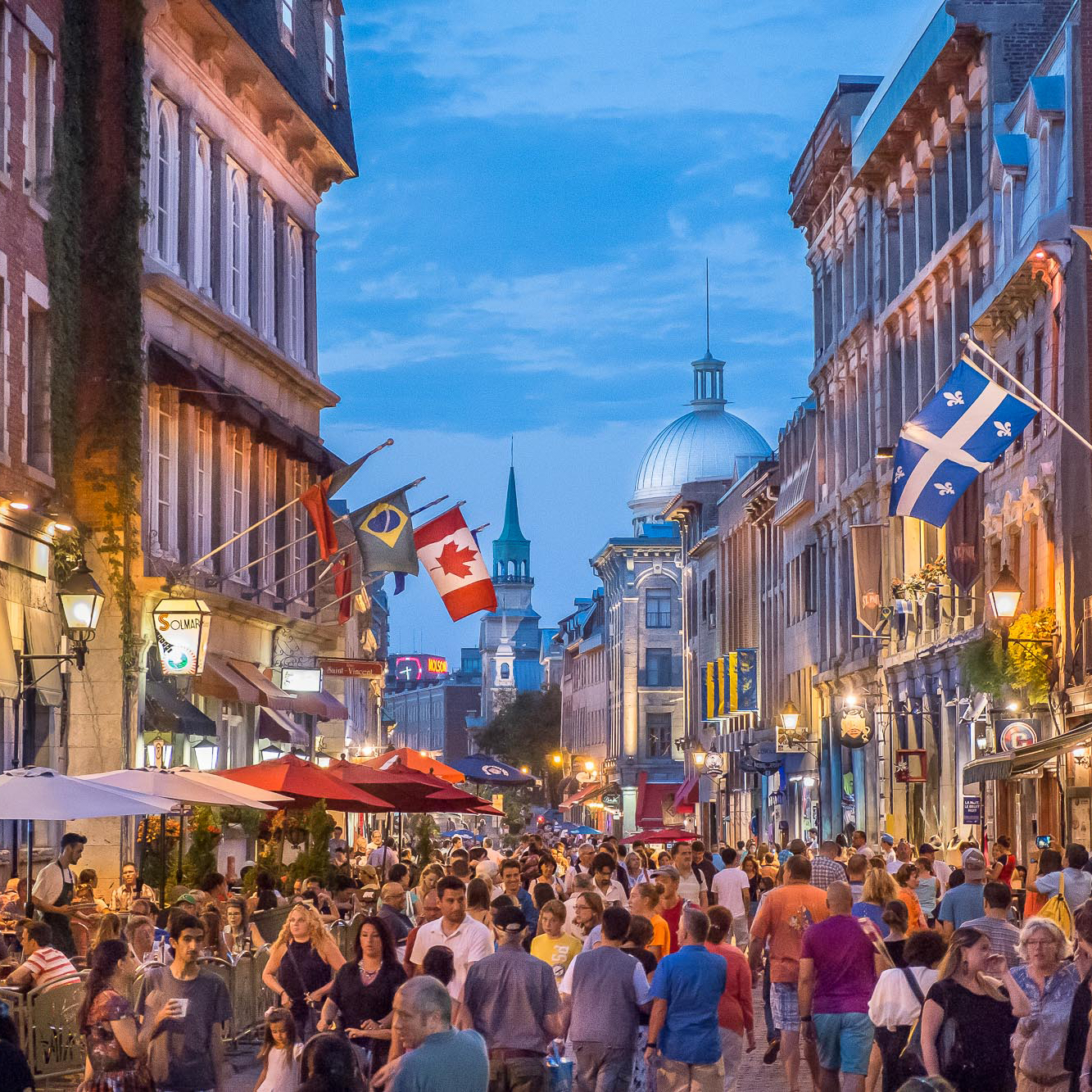
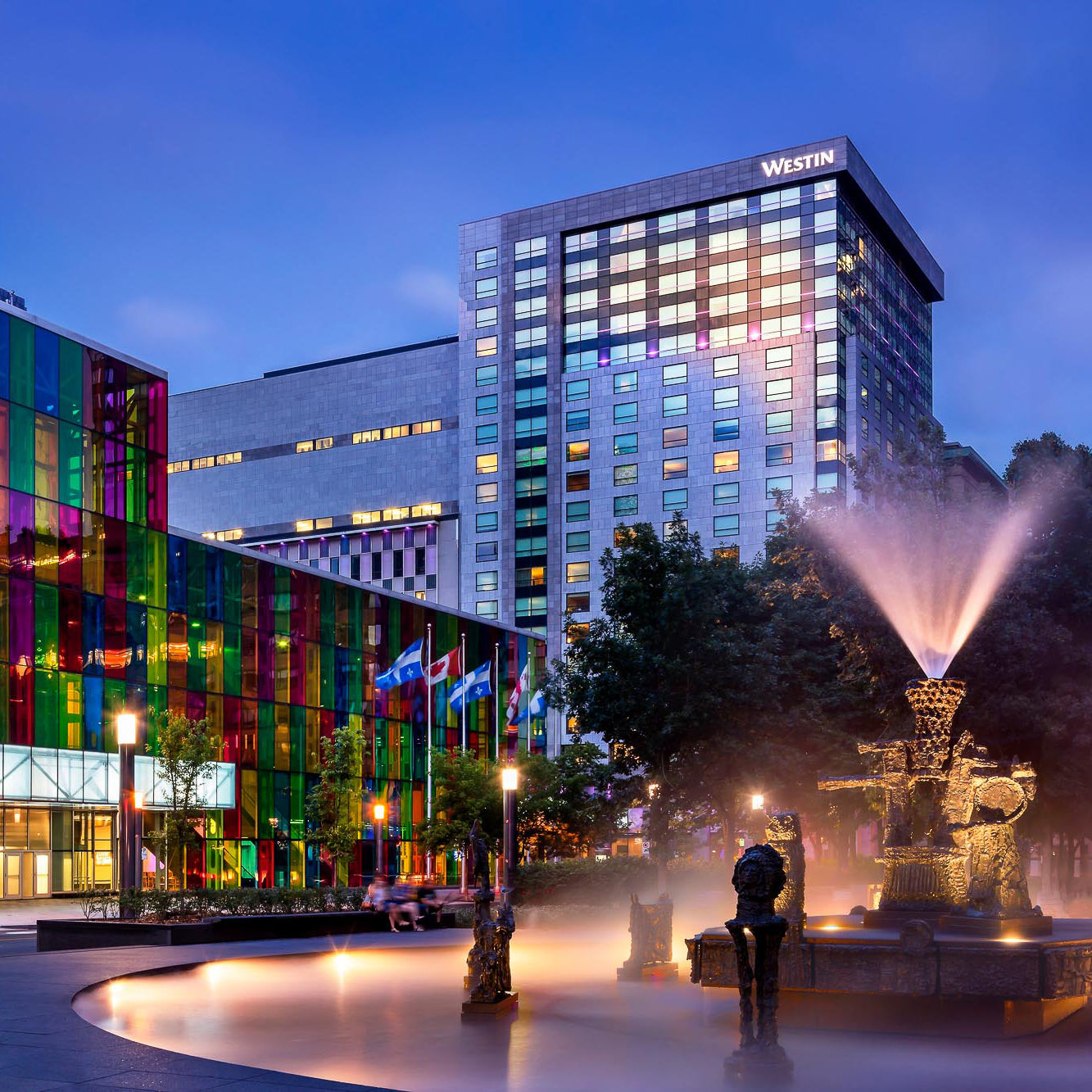
Credit © Tourism Montréal, Stéphan Poulin
Credit © Brandon Barré
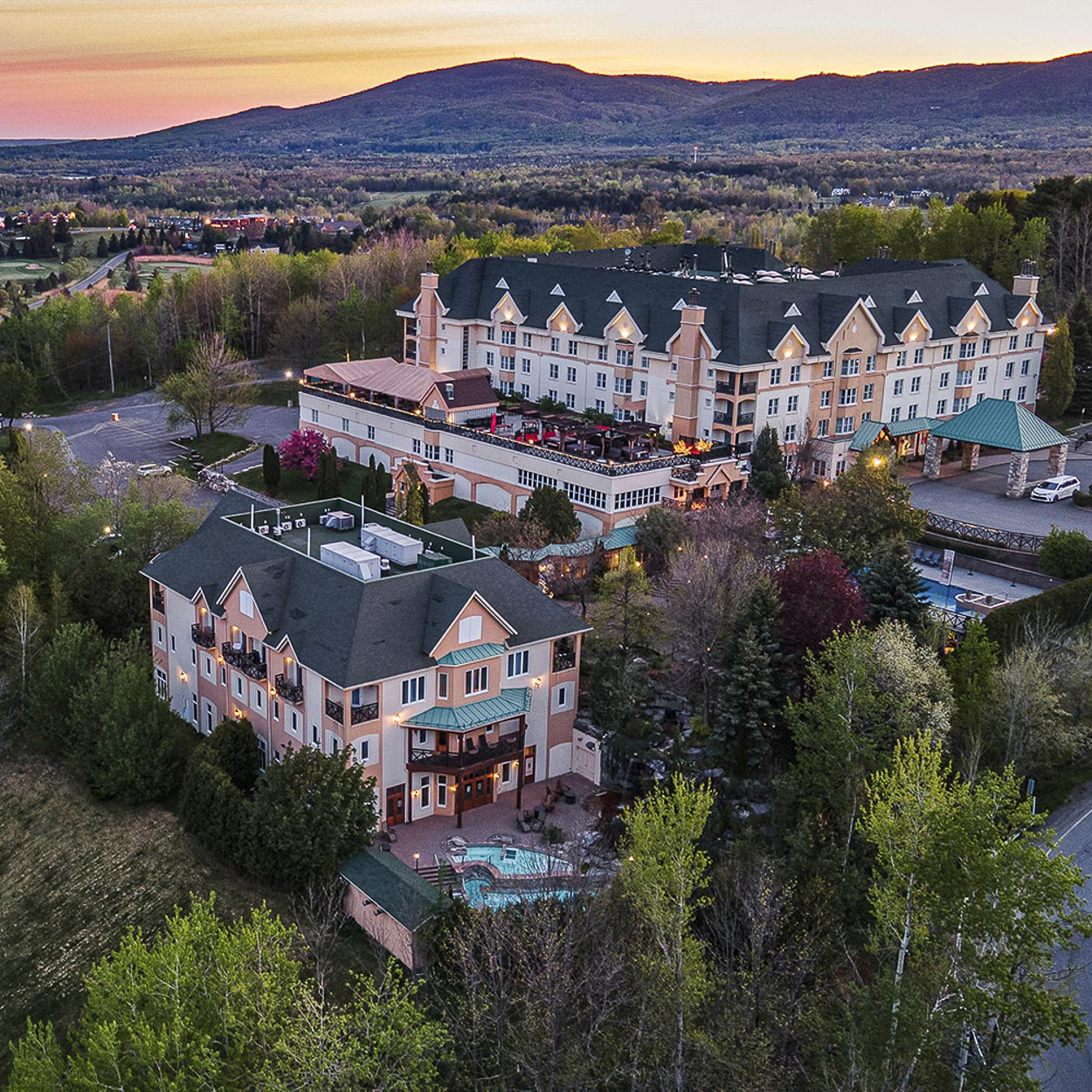
Credit © Chateau Bromont

Credit © Fitz & Folwell Co.
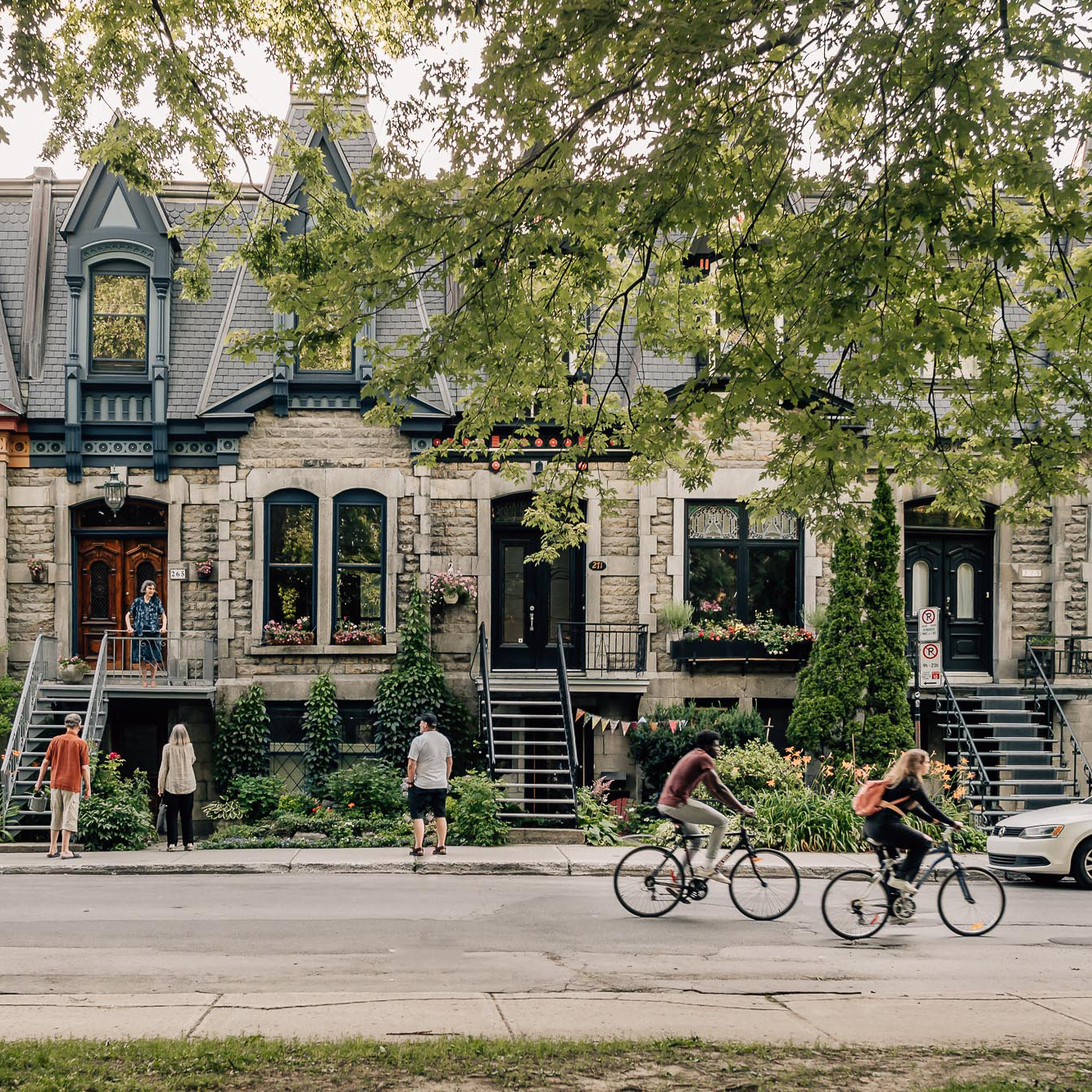
Credit © Laurene Tinel – Tourism Montréal
6th World Congress of Cutaneous Lymphomas
Call for Abstracts
The 6th World Congress of Cutaneous Lymphomas (6WCCL) will be held June 25–27, 2026, at the Westin Montréal in Montréal, Canada. This premier international meeting will showcase the latest advances in the research, diagnosis, and management of cutaneous lymphomas. The Scientific Committee invites you to submit abstracts for consideration as oral or poster presentations. Including opportunities for young investigators. Submissions from across the global community of experts are encouraged, with acceptance based on scientific merit. Join us in contributing to a dynamic program that will make this our most impactful Congress yet.
Abstract submissions will be accepted for the following topics:
- Classification / Epidemiology / Prognostic Factors
- Therapeutics / Preclinical Studies
- Pathology / Biomarkers / microenvironment
- Cutaneous Lymphoma International Consortium – PROCLIPI Studies
- Quality of Life / Patient Reported Outcomes
- Challenging Cases of Cutaneous Lymphomas
IMPORTANT DATES:
6WCCL Online Abstract System opens:
Abstract Submission Deadline:
Abstract Notification:
Late-breaking Abstract System opens:
Presenting Author Registration Deadline:
Late-breaking Abstract Deadline:
Presentation at the 6WCCL:
Thursday, October 16, 2025
Friday, January 23, 2026 – now closed
Thursday, February 26, 2026
Thursday, February 26, 2026
Tuesday, March 17, 2026
Monday, March 23, 2026 – now closed
June 25-27, 2026
6th World Congress of Cutaneous Lymphomas
CME Accreditation
RCPSC Accreditation Statement
The Royal College of Physicians and Surgeons of Canada This event is an Accredited Group Learning Activity (Section 1) as defined by the Maintenance of Certification program of the Royal College of Physicians and Surgeons of Canada, and approved by the Canadian Dermatology Association. You may claim a maximum number of 18.25 hours.
AMA Accreditation Statement
Through an agreement between the Royal College of Physicians and Surgeons of Canada and the American Medical Association, physicians may convert Royal College MOC credits to AMA PRA Category 1 Credits™. More information on the process to convert Royal College MOC credit to AMA credit.
European Union Medical Specialists Accreditation Statement
Live educational activities recognized by the Royal College of Physicians and Surgeons of Canada as Accredited Group Learning Activities (Section 1) are deemed by the European Union of Medical Specialists (UEMS) eligible for ECMEC®.
German Medical Association Accreditation Statement
Through an agreement between the Royal College of Physicians and Surgeons of Canada and the German Medical Association, Royal College MOC Section 1 credits are deemed to be substantively equivalent to GMA CPD credits.
6th World Congress of Cutaneous Lymphomas Starting:
Day(s)
:
Hour(s)
:
Minute(s)
:
Second(s)
6th World Congress of Cutaneous Lymphomas
Contact Us!
For more information, please contact the Congress Secretariat, Simply Eventful Management